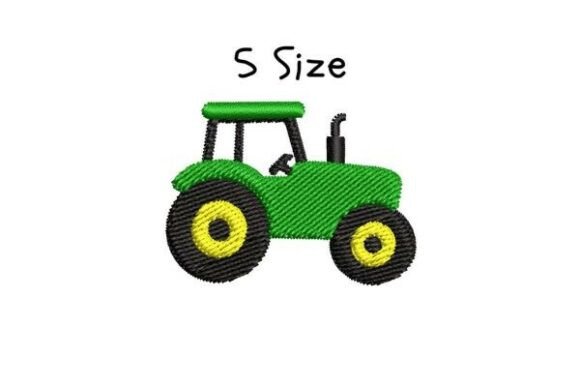
Green Farm Tractor Embroidery Design
First Impression: Rustic Charm with Kid-Forward Appeal
As an embroidery designer who’s prepped over 200 craft fair booths, my gut reaction to Green Farm Tractor Embroidery Design is immediate: it’s warm, grounded, and quietly confident. It leans into rustic farmhouse charm without tipping into cliché—no cartoonish grins or exaggerated wheels. The “green” in the title signals freshness and nature, while “farm tractor” evokes nostalgia, simplicity, and gentle masculinity. It’s not overly sweet or baby-specific, yet its soft lines and balanced proportions make it a natural fit for Babies collections—think organic cotton onesies, muslin burp cloths, or linen baby blankets. But don’t box it in: this design breathes on adult-facing handmade products too.
Where It Shines on Craft Fair Products
In real-world booth testing, Green Farm Tractor Embroidery Design stands out strongest on three categories: tote bag design, apron embroidery, and tea towel embroidery. On a sturdy canvas tote, the medium (4.5”) size anchors the lower corner beautifully—visible from three feet away, legible at arm’s length, and still delicate enough to feel handmade. On a denim or linen apron, the large (5.5”) version becomes a subtle signature—friendly but professional, perfect for farm-to-table vendors or local bakeries. And on a flour-sack or waffle-weave tea towel? Magic. The tractor reads clearly against textured fabric when stitched with matte cotton thread, and its horizontal orientation complements the towel’s natural drape.
It also works well as an embroidered patch—especially the 2.75” and 3.5” sizes. These scale cleanly onto backpacks, denim jackets, or baby bibs, and hold up through washing without puckering—if you use tear-away + cut-away stabilizer combo. As a pillow cover or small pouch focal point, the design feels intentional, not busy. Customers consistently pause longer at items where this tractor appears centered and uncluttered.
What Holds It Back (and How to Fix It)
This isn’t a “stitch-and-go” file. The Green Farm Tractor Embroidery Design includes fine wheel treads and narrow cab details that compress or blur below 2.25”. I’ve seen too many craft fair sellers lose clarity on caps and market bags by forcing it into tight curves or dense fabric. Avoid using the smallest size (1.8”) on anything thicker than quilting cotton or on dark fabrics unless you’re pairing it with high-contrast thread (e.g., kelly green on navy, lime on charcoal). Also—don’t skip stabilization. The description rightly stresses “proper stabilization.” On textured towels or fleece, skip basic tear-away; go for medium-weight cut-away + topping. Otherwise, stitches lift and the tractor loses definition.
Photography, Listings & Repeat Production
For Etsy sellers and small shop owners, this design photographs exceptionally well. Its clean silhouette, consistent line weight, and earthy color story translate beautifully in natural light—no heavy editing needed. Use it in your printable mockup library across multiple product types: one image of the tractor on a folded tea towel, another on a rolled canvas tote, a third as a sewn-on patch on a chambray cap. That variety builds trust and shows versatility.
Batch production? Yes—but only if you test first. Because stitch density varies across the five sizes, run a sample on your most common fabric before committing to 30 tote bags. Watch for thread buildup in the wheel wells and hood creases. If your machine hesitates or the bobbin jumps, reduce density slightly or adjust tension. This isn’t a flaw—it’s a sign the design was digitized thoughtfully, not rushed.
Booth Impact & Buyer Engagement
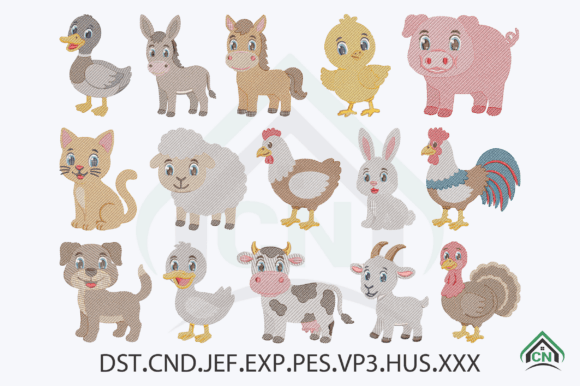
At a crowded craft fair, visual rhythm matters more than novelty. Green Farm Tractor Embroidery Design delivers calm consistency. It doesn’t scream—but it *settles*. Parents gravitate toward it for baby gear because it feels safe, grounded, and quietly joyful. Grandparents pick it for kitchen gifts. Men choose it for their own aprons or market bags without hesitation. That cross-demographic pull makes it a silent sales engine—especially when grouped with coordinating designs (like matching hen, pig, or barn motifs) in your design assets library.
On your display table, place one finished product with the tractor front-and-center: a folded linen tea towel beside a mini embroidered pouch and a baby onesie. That trio tells a story—handmade, thoughtful, rooted. No signage needed. Customers will ask, “Where’s the tractor from?” That’s your opening.
Designer Notes You Can’t Skip
- Always test the machine embroidery design on scrap fabric matching your final product—same thread, same stabilizer, same hoop size.
- Check thread colors against your base fabric in daylight—not just under booth lighting.
- Review spacing: Does the tractor sit comfortably within your hoop’s active stitching area? Some versions may require repositioning for curved surfaces like caps.
- Inspect stitch density visually: Are wheel spokes distinct? Is the grille readable? If not, resize upward or simplify manually.
- Create at least one real mockup before listing—your eyes catch what screen previews miss.
- Compare fabric colors side-by-side: A pale sage green tractor on oatmeal linen reads differently than on cream cotton twill.
- Confirm commercial licensing terms in your digital embroidery file purchase—this is non-negotiable for selling finished product.
Final Thought: A Workhorse Design, Not a Gimmick
The Green Farm Tractor Embroidery Design won’t trend on TikTok overnight—but it will sell steadily at every craft fair, fill Etsy carts quietly, and earn repeat orders from boutique makers who value reliability over flash. It’s a craft fair product that wears well, photographs honestly, and stitches cleanly when respected. For embroidery business owners building a catalog of timeless handmade product themes, this isn’t filler. It’s foundation.