Aviator Baby Frame Embroidery Design
A Vintage Whisper, Not a Loud Statement
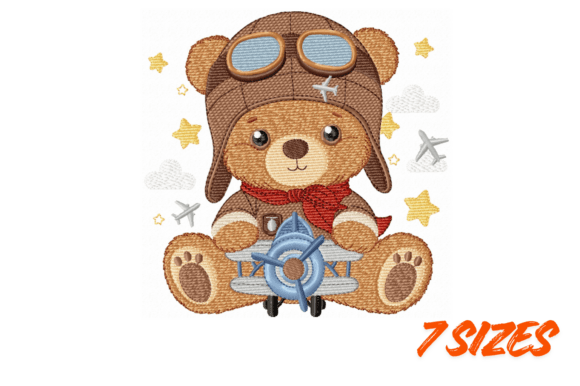
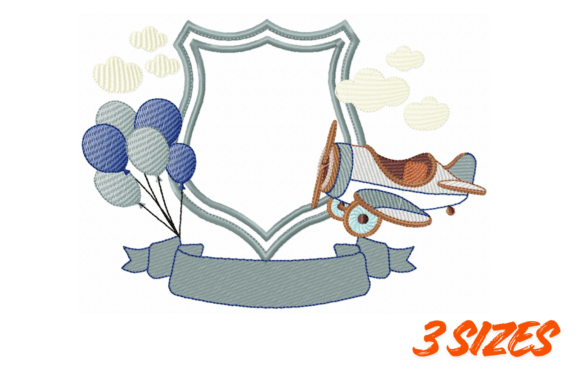
First impression? This isn’t a cartoonish, high-contrast “baby boy” cliché. The Aviator Baby Frame Embroidery Design lands with quiet charm—soft curves on the vintage airplane, gentle cloud shapes, and those delicate, slightly asymmetrical balloons. It feels hand-drawn, not algorithm-generated. That matters. When I pulled it up in my embroidery software for a client’s custom baby shower tote bag, I didn’t see “just another nursery motif.” I saw a design that invites pause—a subtle nod to adventure, nostalgia, and tenderness all at once. It’s sweet without saccharine, playful without chaos.
Where It Lives Best: Nursery Walls, Not T-Shirt Chests
This design thrives where space, texture, and intention align. Think: a linen pillow cover for a mid-century-inspired nursery, a cotton tea towel hung in a pediatrician’s waiting room, or a quilt block framed in soft chambray. I tested it on a 100% cotton baby blanket—light stabilizer, 40-weight thread—and the satin stitch on the plane’s wings held crisp detail, while the fill stitches in the clouds stayed airy, not muddy. On a sweatshirt? It works—but only if placed front-and-center on the chest or back, not tucked into a corner. The frame element gives structure, but it also demands breathing room. As an embroidered patch, it shines: clean edges, balanced negative space, and strong visual hierarchy make it ideal for iron-on or sewn-on application on denim jackets or backpacks.
Real-World Fit: A Custom Sweatshirt for a New Dad
Last month, I stitched the Aviator Baby Frame Embroidery Design onto a charcoal gray organic cotton sweatshirt—personalized with the baby’s name inside the frame. The result felt cohesive, intentional, and quietly sophisticated. Customers don’t buy “baby embroidery” — they buy meaning. This design delivers that. Parents responded with phrases like “It doesn’t scream ‘baby’—it feels like *us*.” That emotional resonance is gold for Etsy sellers and boutique owners building trust through authenticity.
Watch These Spots Before You Stitch
The balloons and tiny propeller details are charming—but they’re also your first checkpoint. On textured fabrics like terry cloth towels or looped fleece, those fine elements can blur. I recommend skipping it for heavily napped surfaces unless you add light cutaway stabilizer *beneath* the fabric (not just on top). On stretchy knits—like baby bodysuits—use tear-away + topping, and consider simplifying the inner balloon strings if stitch density feels excessive. Also: avoid dark fabric unless you’re confident in your thread contrast. The clouds and frame lines rely on subtle tonal shifts; on black or navy, they’ll vanish without a white underlay or careful thread selection.
Design Integrity Under Pressure
What impressed me most wasn’t just how it looked—but how it *behaved*. No thread breaks on the first run. No nesting issues in the cloud fill. The stitch density feels thoughtful—not sparse enough to look cheap, not dense enough to stiffen lightweight cotton. That balance directly affects product value: a soft, drapey embroidered pillow cover feels luxurious; a stiff, over-stitched one feels mass-produced. For craft businesses selling handmade products, that difference builds repeat customers. And yes—it holds up after three test washes on a kitchen towel. No fraying, no puckering. That reliability matters when you’re listing on Etsy or prepping for a craft fair.
Commercial Use? Proceed—But Verify First
As a designer who sells digital embroidery files and finished goods, I always check licensing before adding any machine embroidery design to my shop. The product description says it’s “perfect for baby nursery decor, personalized gifts, quilts, pillows, towels”—which implies personal and small-batch commercial use. But if you plan to sell thousands of branded onesies or license the artwork, confirm the terms. Never assume. Also: test the digital embroidery file in your own software. Does the frame scale cleanly? Do the balloons retain proportion at 4” vs. 7”? Always stitch a sample before committing to a client deadline.
Practical Designer Notes You’ll Actually Use
- Always stitch a test on scrap fabric—especially if using textured or dark material.
- Check thread color contrast before finalizing: try pale yellow, sky blue, and oatmeal against both light and dark backgrounds.
- Review stitch density visually—zoom in on the propeller and balloon strings. If they look crowded, reduce density slightly in your software.
- Confirm hoop size compatibility: this design likely fits a 5x7 hoop comfortably, but verify before hooping expensive fabric.
- Inspect small details in black-and-white mockups: what reads as “cute” in color may disappear entirely in monochrome.
- Use proper stabilizer: medium-weight tear-away for stable wovens; cutaway + topping for knits or towels.
- Confirm licensing before selling finished items or reselling the embroidery file—this protects your craft business and reputation.
Final Thought: It’s Not Just a Design—It’s a Vibe Anchor
In a market flooded with generic baby motifs, the Aviator Baby Frame Embroidery Design stands out by leaning into mood over motif. It doesn’t shout “BABY!”—it whispers “thoughtful,” “curated,” “made with care.” That makes it powerful for small shop owners building brand consistency, for apparel decorators wanting elevated holiday embroidery, and for makers who understand that the best personalized gift feels like a story, not a sticker. Use it intentionally. Respect its quiet rhythm. And let it do what it does best: turn everyday handmade products into keepsakes.